
Respiratory Medicines By Dolphin Pharma
Dolphin Pharmaceuticals offers a trusted range of Respiratory products developed to support the management and treatment of lung related problems. Our medicines are formulated with a strong focus on quality, safety, and treatment reliability. We aim to assist healthcare professionals in delivering effective lung care through consistent pharmaceutical solutions. Each product is manufactured following strict quality and regulatory standards.
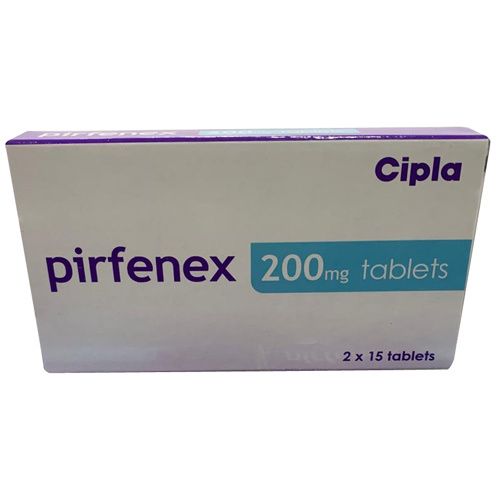
Prifenex (Pirfenidone 200mg) 200 mg
Generic Name: Pirfenidone 200mg
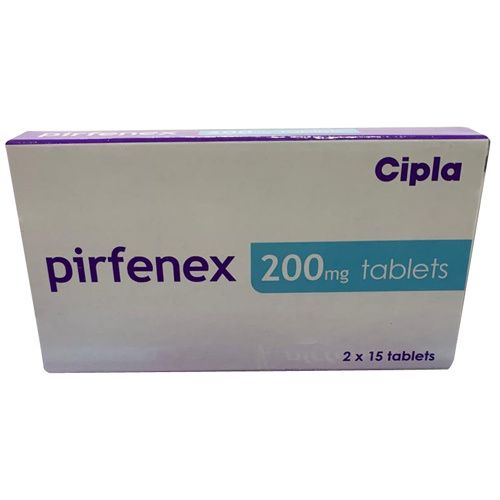
Prifenex (Prifenidone) 200 mg
Generic Name: Prifenidone 200mg

Dolphin Pharmaceuticals offers respiratory medicines. Respiratory medicines are pharmaceutical products used to prevent, manage and treat diseases affecting the lungs and respiratory tract. These medicines help relieve symptoms such as coughing, wheezing, breathlessness, chest tightness and airway inflammation. They play an important role in managing acute respiratory conditions and chronic lung diseases, helping patients maintain better respiratory function and quality of life. The respiratory medicine category includes several therapeutic classes, such as bronchodilators, corticosteroids, antihistamines, mucolytics, antitussives and antifibrotic agents. Each class works differently to address specific respiratory problems. Depending on the diagnosis, these medicines may relax airway muscles, reduce inflammation, loosen mucus, control allergic reactions or slow the progression of lung tissue scarring. Respiratory medicines are commonly used in the management of asthma and chronic obstructive pulmonary disease (COPD), which can cause persistent breathing difficulties and airway obstruction. Inhalers, nebulizer solutions and oral medications may be prescribed to control symptoms, prevent exacerbations and improve airflow. The selection of treatment depends on the severity of the condition and the patient's individual medical requirements. Certain respiratory medicines are also used to manage interstitial lung diseases and pulmonary fibrosis. Antifibrotic medications, such as pirfenidone, may help slow the progression of lung scarring in eligible patients with idiopathic pulmonary fibrosis. Other treatments may be prescribed for respiratory infections, allergic conditions and diseases associated with excessive mucus production, depending on the underlying cause. The appropriate use of respiratory medicines requires an accurate diagnosis and guidance from a qualified healthcare professional. Treatment may involve oral tablets, capsules, inhalers, nebulizers, syrups or injectable formulations. Patients should follow the prescribed dosage, understand the correct administration technique and attend recommended follow-up appointments to assess treatment effectiveness and monitor potential side effects. Proper respiratory care also involves avoiding tobacco smoke, reducing exposure to environmental pollutants and allergens, and following recommended vaccination and disease-management plans. When used appropriately alongside medical supervision and supportive care, respiratory medicines can help control symptoms, reduce complications and support better respiratory health. The choice of medication should always be based on the specific respiratory condition, patient history and applicable treatment guidelines.