
Fibrin Sealant Kit Fibrin Glue By Dolphin Pharmaceuticals
Dolphin Pharmaceuticals offers a Fibrin Sealant kit (Firbin Glue)for several surgery. Our products are developed with a strong focus on quality, safety, and therapeutic effectiveness. We support healthcare professionals with dependable pharmaceutical solutions designed for consistent patient care. All medicines are manufactured in compliance with established quality standards.
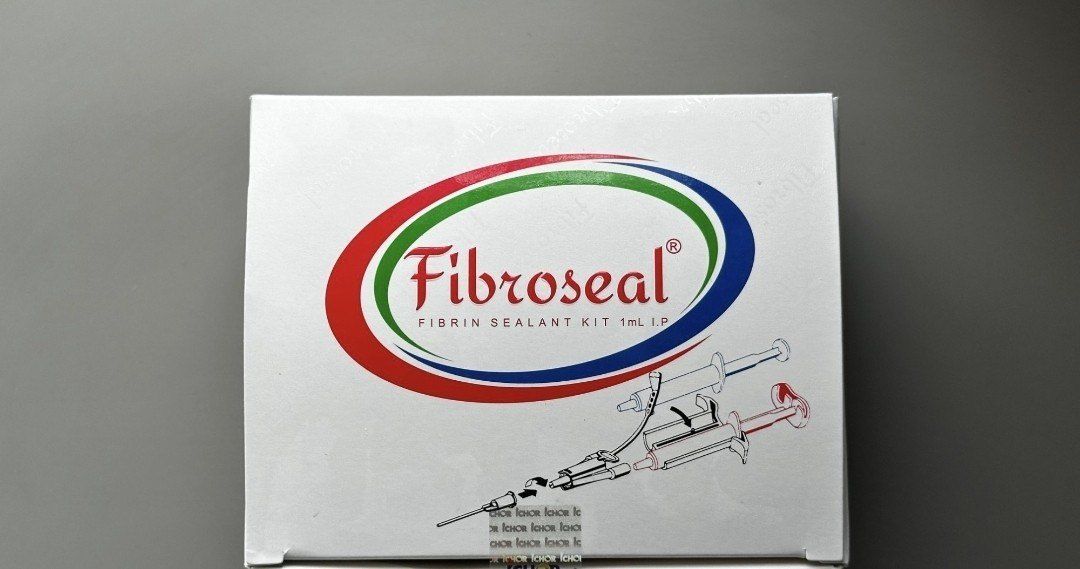
Fibroseal (Fibrin Sealant Kit) 1 ml
Generic Name: Fibrin Sealant Kit IP 1mL
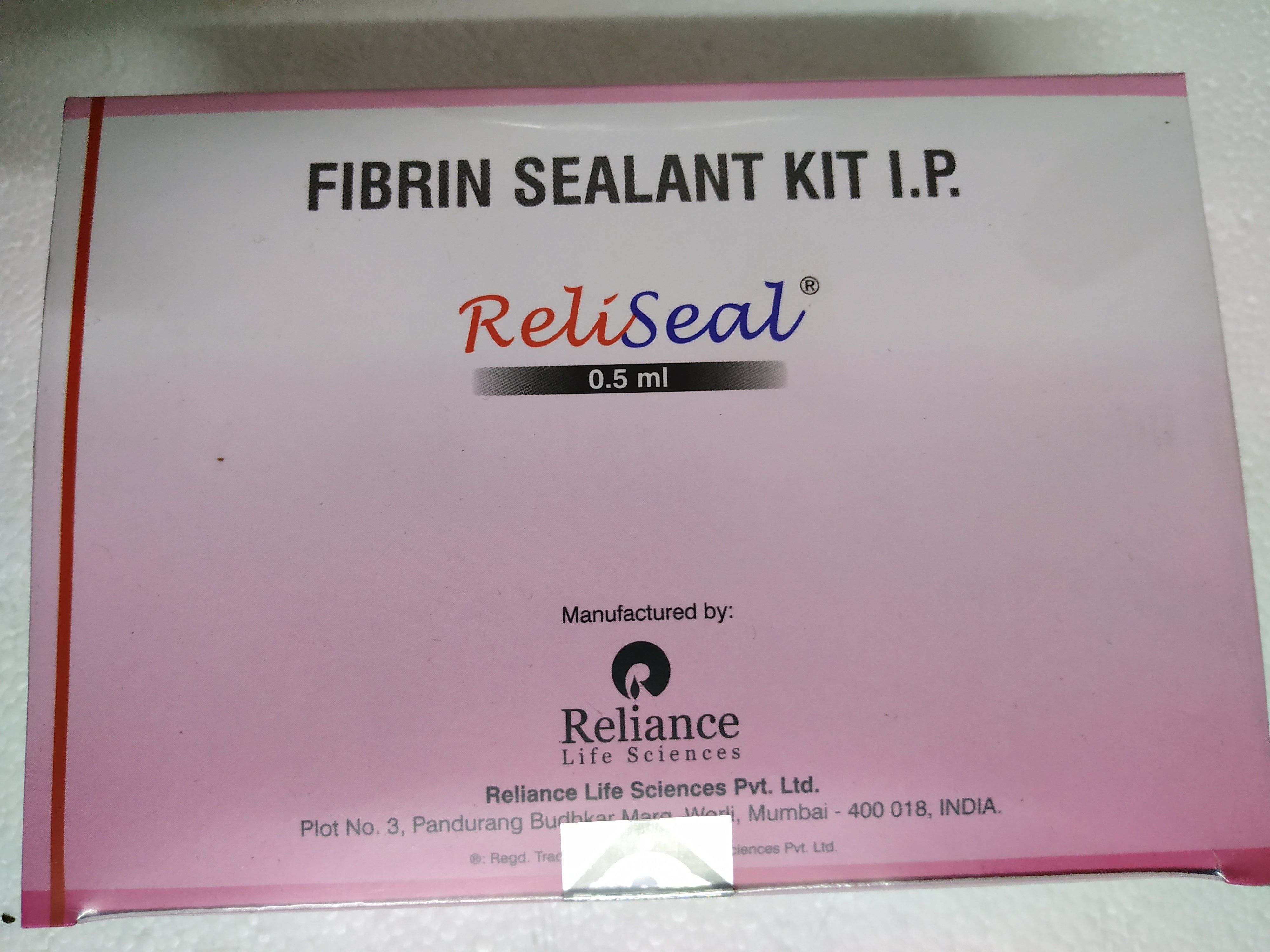
Reliseal (Fibrin Sealant Kit) 0.5 ml
Generic Name: Fibrin Sealant Kit IP 0.5 mL
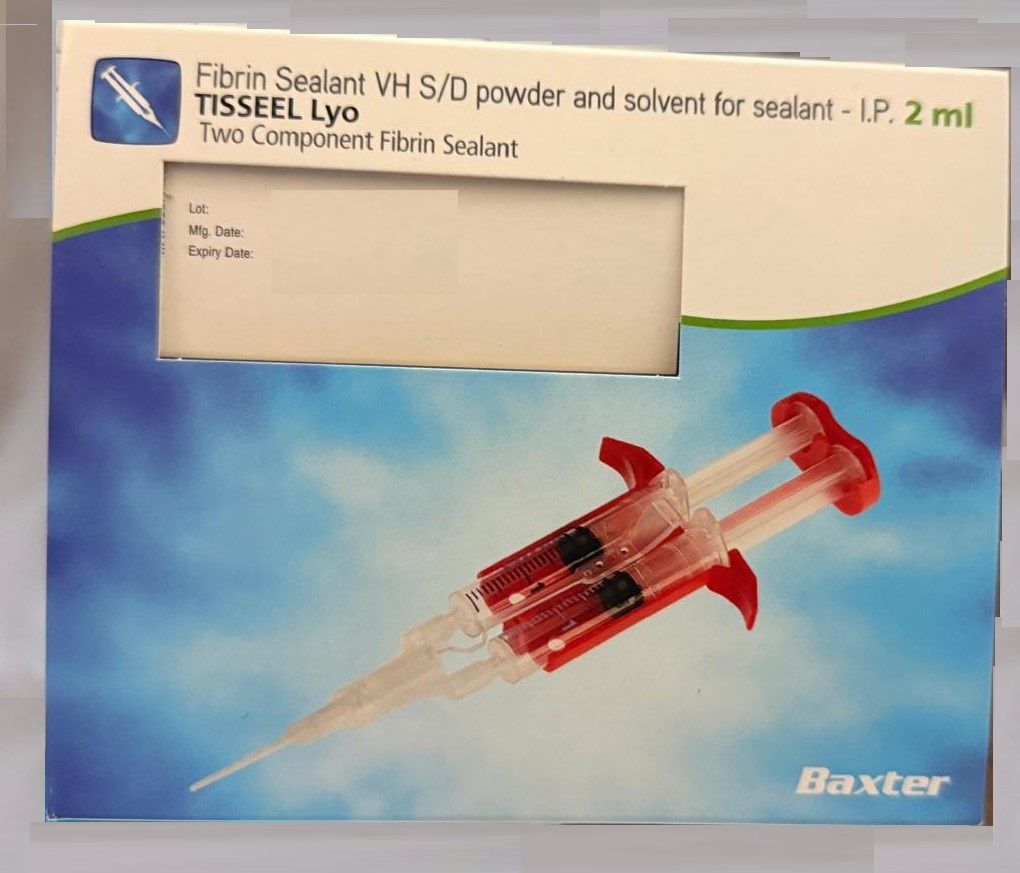
Tisseel Lyo (Fibrin Sealant Kit) 2 ml
Generic Name: Fibrin Sealant Kit 4ml
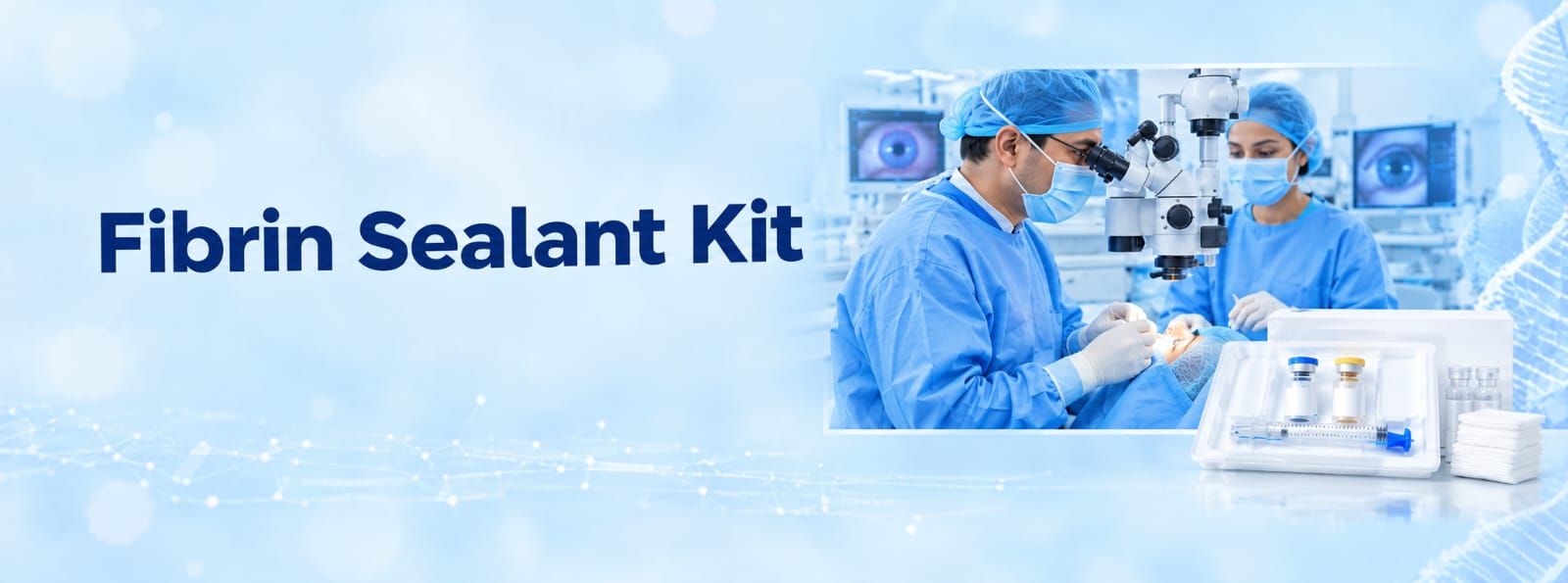
Fibrin glue, also called fibrin sealant, is a biological surgical sealant made from proteins involved in the body’s natural blood-clotting process. It is commonly formulated using two main components: fibrinogen and thrombin. Depending on the product, other components such as factor XIII, calcium chloride, or an antifibrinolytic agent may also be included. Fibrin glue is used during surgical procedures to help control bleeding, seal tissues, and promote adhesion between tissue surfaces. When its components are mixed or applied together, they form a fibrin clot that resembles the final stage of natural blood coagulation. Unlike conventional sutures or staples, fibrin glue provides a biological method of tissue sealing. It can be particularly useful in areas where conventional suturing is difficult or where additional sealing is required. Composition of fibrin glue Fibrinogen : A soluble plasma protein that serves as the main building material for the fibrin clot. After activation by thrombin, it is converted into fibrin, which forms a mesh-like network. Thrombin : An enzyme that converts fibrinogen into fibrin. This initiates the formation of the clot and allows the sealant to develop adhesive properties. Additional components : Some formulations contain factor XIII to strengthen the fibrin network, calcium ions to support clot formation, and an antifibrinolytic agent to slow clot breakdown. The precise composition varies by product. Uses of fibrin glue A. Haemostasis (bleeding control) Fibrin glue is used as an adjunct to control bleeding from small blood vessels and tissue surfaces during surgery. It may be useful when conventional methods such as pressure, suturing, or cautery are difficult or insufficient. B. Tissue adhesion It can help hold tissue surfaces together during selected surgical procedures. The fibrin network forms a temporary biological bond between the surfaces. C. Sealing of tissue and surgical sites Fibrin sealants may be used to seal selected tissue surfaces or support the closure of certain surgical sites, depending on the specific product’s approved indications. D. Orthopaedic and bone-related surgery In selected orthopaedic procedures, fibrin glue may be used as an adjunct for tissue sealing, haemostasis, or securing certain graft materials. However, it is not a substitute for bone cement, fixation hardware, or a bone-grafting material, and it does not independently provide structural support to a bone defect. E. Plastic and reconstructive surgery It may be used in selected procedures to help adhere tissue flaps, reduce bleeding, or support tissue approximation. F. Other surgical applications Depending on the formulation and its approved indications, fibrin sealants may also be used in selected cardiovascular, thoracic, abdominal, and dental or maxillofacial procedures. Not every fibrin glue product is approved for all these applications. The intended use must be checked against the manufacturer’s instructions. How fibrin glue works: mechanism of action Step 1: Application of components The fibrinogen-containing component and the thrombin-containing component are prepared according to the product instructions. They are delivered to the intended surgical site, often using a dual-syringe applicator. Step 2: Conversion of fibrinogen into fibrin Thrombin acts on fibrinogen, removing small peptide fragments and generating fibrin molecules. These molecules begin to assemble into long strands. Step 3: Formation of a fibrin network Fibrin strands form a mesh that can be strengthened by factor XIII, when present and activated. The resulting clot traps blood cells and interacts with the tissue surface, creating a seal. Step 4: Tissue sealing and gradual breakdown The clot provides temporary adhesion and haemostasis. As healing progresses, the fibrin is gradually degraded by the body’s fibrinolytic system and replaced by the normal healing process. Advantages of Fibrin Glue 1. Effective bleeding control: Helps reduce bleeding from suitable tissue surfaces during surgical procedures. 2. Natural tissue bonding: Promotes adhesion between tissue surfaces without depending entirely on sutures or staples. 3. Adaptability to tissue surfaces: Spreads over uneven or irregular surfaces, helping create a seal in difficult-to-reach areas. 4. Biodegradability: Gradually degrades and is absorbed by the body as the healing process progresses. 5. Useful in complex surgical sites: Provides additional support when conventional suturing is challenging or impractical. 6. Convenient application: Certain formulations can be delivered through specialized applicators, including systems designed for minimally invasive procedures. Explore our range of fibrin glue and fibrin sealant kits for suitable surgical applications. With a focus on quality, safety, and reliable performance, our products are designed to meet the needs of healthcare professionals. Always consult the product documentation and follow professional medical guidance for appropriate use.