
Immunossuppressant Medicine By Dolphin Pharma
Dolphin Pharma offers a trusted range of Immunossuppressant Medicine developed to support the transplant organ. Our medicines are formulated with a strong focus on quality, safety, and treatment reliability. We aim to assist healthcare professionals in delivering effective transplant organ through consistent pharmaceutical solutions. Each product is manufactured following strict quality and regulatory standards.
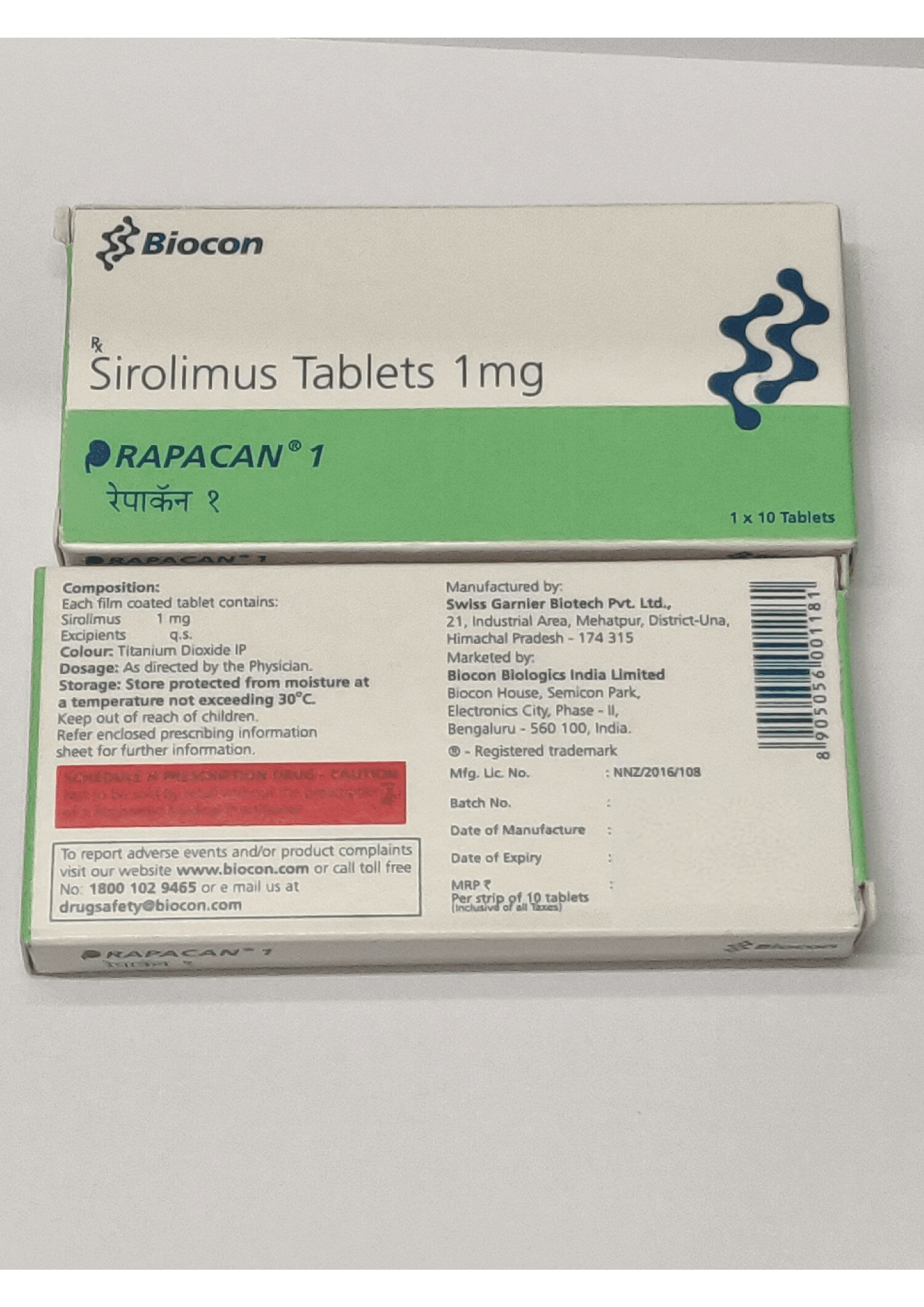
Rapacan (Sirolimus) 1 mg
Generic Name: Sirolimus 1 mg

Dolphin Pharmaceuticals offer Immunosuppressant medicines. Immunosuppressant medicines are drugs that reduce or control the activity of the body's immune system. They help prevent the immune system from attacking healthy tissues or rejecting transplanted organs. These medicines are prescribed for various conditions under the supervision of a qualified healthcare professional. One of the main uses of immunosuppressants is the prevention of organ transplant rejection, particularly after kidney, liver, or heart transplantation. They help the body accept the transplanted organ by reducing the immune response against it. These medicines are often used in combination with other treatments to improve transplant outcomes. Immunosuppressants are also used to manage autoimmune diseases, in which the immune system mistakenly attacks the body's own tissues. Depending on the condition, they may be prescribed for diseases such as rheumatoid arthritis, lupus, psoriasis, and inflammatory bowel disease. The choice of medicine depends on the patient's diagnosis and medical history. Different types of immunosuppressant medicines work through different mechanisms. Some inhibit immune cell multiplication, while others reduce inflammation or block specific immune signals. Examples include sirolimus, tacrolimus, ciclosporin, mycophenolate, and corticosteroids. Each medicine has specific indications, benefits, and precautions. Common side effects of immunosuppressants may include nausea, diarrhea, fatigue, increased susceptibility to infections, and changes in blood cell counts. Certain medicines may also affect kidney or liver function, blood pressure, or cholesterol levels. Regular medical check-ups and laboratory tests help monitor treatment response and identify potential complications. Immunosuppressant medicines should always be taken according to the prescribed dose and schedule. Patients should inform their doctor about all medicines and supplements they use and report signs of infection, unusual bleeding, or other concerning symptoms promptly. Do not reduce the dose or stop treatment without medical advice, as doing so may increase the risk of disease flare-ups or organ transplant rejection.