
Anti Gout and Hypouricemia Medicine By Dolphin Pharma
Dolphin Pharma offers a trusted range of Anti Gout and Hypouricemia Medicine developed to support the management and treatment of high uric acid. Our medicines are formulated with a strong focus on quality, safety, and treatment reliability. We aim to assist healthcare professionals in delivering effective Gout through consistent pharmaceutical solutions. Each product is manufactured following strict quality and regulatory standards.
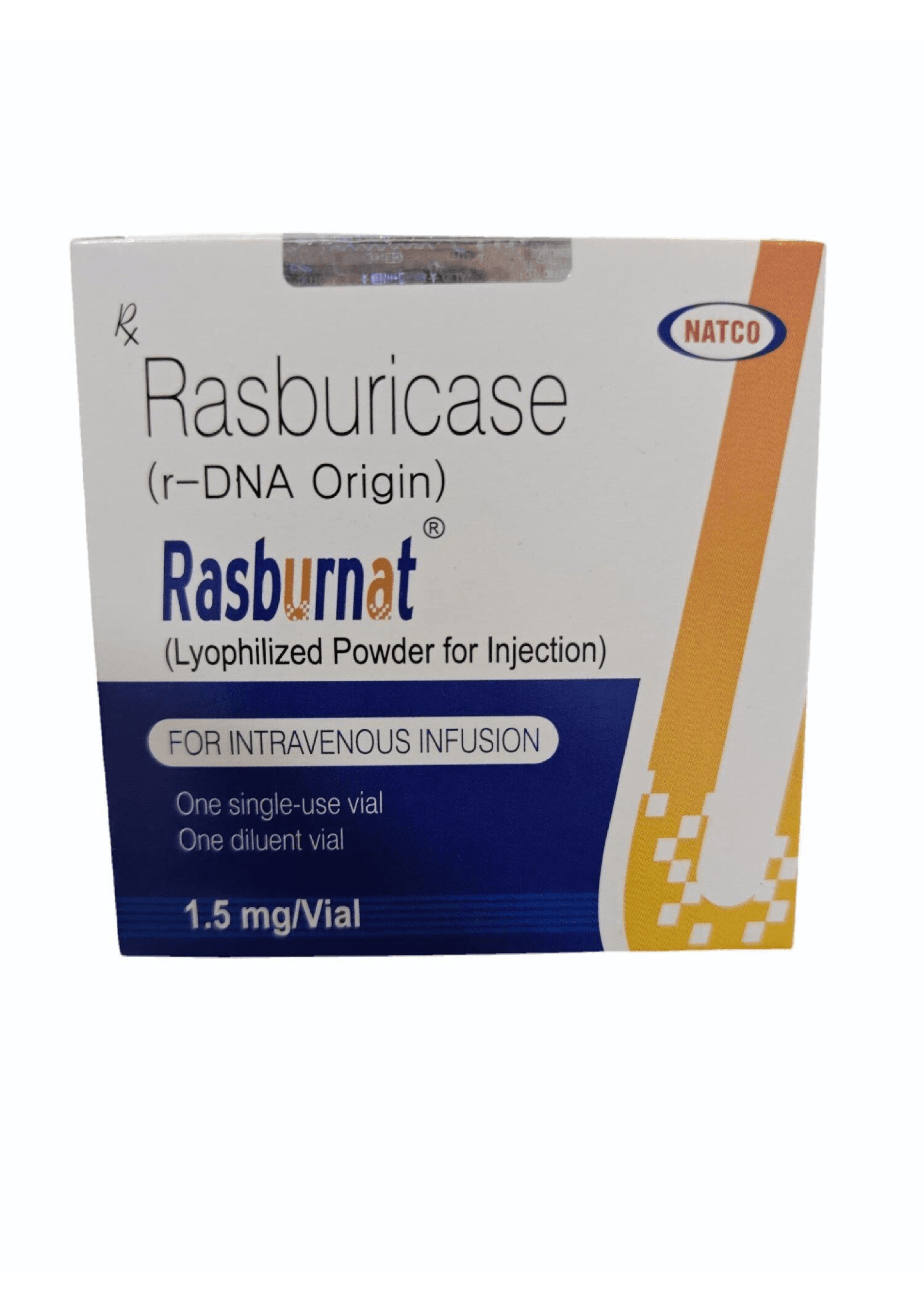
Rasburnat (Rasburicase) 1.5 mg
Generic Name: Rasburicase 1.5 mg

Dolphin Pharmaceuticals offers anti-gout and hyperuricemia medicines. Anti-gout and hyperuricemia medicines are used to manage gout and reduce high levels of uric acid in the blood. Hyperuricemia occurs when the body produces too much uric acid or cannot eliminate enough of it. Excess uric acid may form crystals in the joints and surrounding tissues, leading to pain, swelling, redness, and inflammation. These medicines help control uric acid levels, relieve gout symptoms, and reduce the risk of recurrent attacks. Some medicines lower uric acid production, while others help the kidneys remove excess uric acid from the body. The choice of treatment depends on the patient's uric acid levels, kidney function, medical history, and severity of the condition. Common medicines used to manage gout and hyperuricemia include allopurinol, febuxostat, probenecid, and rasburicase for specific clinical indications. Colchicine and certain anti-inflammatory medicines may also be prescribed to relieve or prevent gout flare-ups. Each medicine works differently and should be selected according to the patient's condition and treatment requirements. The benefits of anti-gout and hyperuricemia medicines include reducing uric acid levels, preventing the formation of uric acid crystals, and lowering the frequency of gout attacks. With appropriate long-term treatment, these medicines may help prevent joint damage and complications associated with persistently elevated uric acid levels. Treatment goals should be determined by a healthcare professional. Possible side effects vary depending on the medicine and may include nausea, diarrhea, abdominal discomfort, headache, or skin rash. Some medicines may require monitoring of kidney or liver function and blood parameters. Patients should seek medical advice if they experience severe allergic reactions, unusual skin changes, or other serious symptoms during treatment. Anti-gout and hyperuricemia medicines should be taken according to the prescribed dose and schedule. Maintaining adequate hydration, limiting alcohol intake, following a balanced diet, and managing body weight may support treatment. Patients should consult their doctor before starting, changing, or stopping medication, as appropriate management helps control uric acid levels and reduce the risk of future complications.