
Appetite Stimulants By Dolphin Pharma
Dolphin Pharma offers a trusted range of Appetite Stimulants products developed to support the management and treatment of loss of appetite. Our medicines are formulated with a strong focus on quality, safety, and treatment reliability. We aim to assist healthcare professionals in delivering effective appetite care through consistent pharmaceutical solutions. Each product is manufactured following strict quality and regulatory standards.
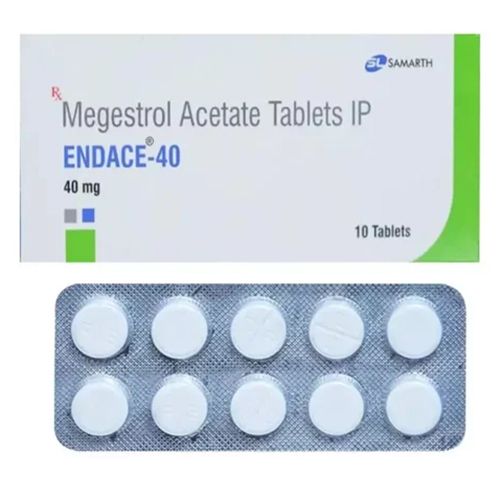
Endace (Megestrol Acetate) 40 mg
Generic Name: Megestrol Acetate 40mg

Dolphin Pharmaceuticals offer Appetite stimulants are medicines that help increase the desire to eat in individuals experiencing reduced appetite or difficulty maintaining a healthy body weight. They may be prescribed when appetite loss is associated with certain medical conditions, chronic illnesses, or specific treatments. The choice of medicine depends on the underlying cause of appetite loss and the patient's overall health. Reduced appetite can occur due to various factors, including chronic diseases, infections, cancer, digestive disorders, psychological conditions, and certain medications. Persistent appetite loss may lead to inadequate nutritional intake, unintended weight loss, weakness, and nutritional deficiencies. Identifying and treating the underlying cause is an important part of effective management. Appetite stimulants work through different mechanisms to promote hunger and, in some cases, support weight gain. Depending on the medicine, they may influence hormonal pathways, appetite-regulating signals, or other processes involved in food intake. Some prescription medicines, such as Megestrol Acetate, may be used for specific cases of disease-related appetite loss and weight reduction under medical supervision. These medicines may be considered for selected patients with conditions such as advanced cancer or HIV-related wasting, where reduced appetite and significant weight loss can affect nutritional status and quality of life. However, appetite stimulants are not appropriate for everyone and are not routinely recommended for ordinary weight gain. Treatment decisions should consider the cause of appetite loss, potential benefits, and possible risks. Like other medicines, appetite stimulants may cause side effects, depending on the active ingredient. These can include nausea, dizziness, drowsiness, hormonal changes, fluid retention, or increased blood glucose. Certain medicines may also carry more serious risks, such as blood clots or adrenal gland problems. Patients should discuss their medical history and current medications with a healthcare professional before starting treatment. Alongside prescribed treatment, maintaining balanced nutrition, eating smaller and more frequent meals, choosing nutrient-dense foods, and addressing underlying medical or psychological factors may help improve appetite. Persistent or unexplained appetite loss, especially when accompanied by unintended weight loss, should be evaluated by a healthcare professional. Appetite stimulants should only be used when clinically appropriate and under medical guidance.